Running a small business in India can be exciting. But with that excitement comes challenges: managing finances, getting loans, handling paperwork, and proving your business is real. For many small business owners, these tasks feel heavy. That’s where Udyam registration steps in. It brings legitimacy, easier access to loans, and goodwill.
Udyam registration is meant for micro, small, and medium enterprises (MSMEs). Once registered, a business becomes eligible for benefits from the government, banks, and other institutions. It puts small businesses on a more even playing field — no longer just informal operations, but recognized enterprises.
If you haven’t yet registered, you can begin the process by visiting the official page: udyamregistrationform.com. That’s your starting point to get official status.
How Small Businesses in India Benefit from MSME Registration on the Udyam Portal

Let’s explore in detail how a small business can benefit when it gets Udyam registration — and why it could matter for your future growth.
1. Easier Access to Credit and Loans
One of the biggest hurdles for small businesses is getting loans. Traditional banks often hesitate to lend to small firms without concrete documentation or collateral. With Udyam registration, your business gains credibility — which makes banks more willing to extend credit.
When you register under Udyam, you become eligible for special loan schemes designed for MSMEs. Some banks or NBFCs offer lower interest rates to registered businesses. Also, if your credit score isn’t great, lenders may still consider providing loans under “small-business credit” programs tailored for MSMEs. More about such loan options can be found at “Business Loan for Low Credit Score in India” on udyamregistrationform.com.
Similarly, if you are exploring which loan works best for your business situation — be it working capital loan, term loan, or machinery loan — there’s guidance under Which Business Loan is the Best that many small business owners find useful.
In short: Udyam registration opens doors to credit without heavy collateral, often under favorable terms — a real relief for small traders, artisans, manufacturers, or service-providers.
2. Benefits of Government Incentives and Schemes
The government of India has set up many schemes to support MSMEs. These might include subsidies, grants, preferential purchase policies, relaxations on electricity bills, protection under trade-mark registration, and more. But such benefits are typically available only if a business is officially recognized.
Once you get Udyam registration, your business qualifies for such support and can apply for various government schemes. This helps especially in early years, when cash flow is tight and every rupee saved or earned matters.
Additionally, the registration helps you become a recognized MSME, making it easier to appear on official lists — for example, there are public directories of registered MSMEs. You can check an actual list under MSME Business List, which shows how registered businesses are grouped and recognized. Having your name there adds to trustworthiness — manufacturers, suppliers, customers or government buyers may look at such lists before engaging in business.
Benefits like reduced rates on electricity, easier licensing, and even simpler compliance rules come along when government sees you as part of the MSME framework.
3. Easier Business Banking and Financial Transactions
Small businesses often struggle with banking — especially opening a current account, getting access to overdraft, or maintaining smooth banking relations. Banks sometimes ask for lots of documents or hesitate to open accounts for informal enterprises.
With Udyam registration, opening a business bank account becomes simpler. Banks see that your business is formal, legitimate, and logged under the national MSME registry. They may offer you dedicated business-banking packages, current accounts, overdraft facilities, and better support. If you are new to business banking, there are handy tips under Tips for Opening a Business Bank Account in India.
Also, being formally registered helps you build a financial record — this is useful for future audits, tax compliance, or when you want to apply for credit cards or business-linked banking services.
4. Simplified Accounting and Record Keeping
When a business remains informal, many owners try to keep accounts casually — maybe using Excel sheets or plain notebooks. Over time, as business grows, this becomes messy. Good accounting helps track sales, expenses, profits, taxes, and business growth. For small enterprises, especially as they grow, that clarity matters.
Once you get Udyam registration, many business owners take accounting more seriously. Some move to dedicated accounting software for small businesses — which makes tracking far easier, managing bills, invoices, purchases, and profit calculations much simpler. There’s a useful guide on choosing right accounting tools under Accounting Software for Small Businesses.
Using proper accounting and having official registration also helps when you apply for loans or subsidies — lenders or government agencies often demand clear books. It adds transparency, avoids disputes, and helps your business grow responsibly.
5. Better Credibility with Customers, Suppliers, and Partners
Business, at its heart, is about trust. When customers or suppliers see no formal documents, they may doubt whether a small seller can deliver quality, meet deadlines, or give consistency.
Udyam registration adds legitimacy. You become a “registered MSME,” which signals seriousness. This helps especially if you supply to bigger firms, institutional buyers, or want to participate in government tenders. They prefer dealing with registered businesses.
Even local customers or suppliers may feel more confident ordering from you — assuming you follow rules, maintain some standards, and are easier to track if issues arise. Over time, this trust can translate to more business, more orders, better suppliers, and larger contracts.
6. Easier Name and Identity for Your Business
Sometimes small business owners run under informal names or even their own names. But as you grow, naming the business clearly — as a firm, company, workshop, or unit — helps build identity and brand.
Even if your business is newly registered, you may want to register a proper name. Information on how you can go about naming or registering a business name is collected under Register Business Name.
Having a distinct registered name helps in invoices, contracts, branding, and business growth. When combined with Udyam registration, it gives the impression of a stable, legitimate business — not just a one-person undertaking.
This helps with branding, marketing, repeat orders, trust from customers, and collaboration with suppliers or contractors.
7. Helping Even If Your Credit Is Weak
Many entrepreneurs start business with little credit history — maybe no prior loan, no big purchases, no record. That makes banks cautious. For such businesses, Udyam registration can be a stepping stone.
Once registered, you become part of formal records. Some lenders offer business loans tailored for MSMEs with low credit score or limited history — they see potential and treat you differently from a random informal vendor. If you’re exploring such options, you might learn more under Business Loan for Low Credit Score in India.
This means even a very small or new business gets a fair shot at credit, growth, and expansion — something that would have been nearly impossible if operating informally.
8. More Opportunities: Tenders, Contracts, and Wider Markets
Registered MSMEs often have access to public tenders or contracts reserved partly for small businesses. Government departments, public sector companies, and large firms sometimes prefer to purchase goods or services from registered MSMEs.
With Udyam registration, your business becomes eligible for such opportunities. That can open doors to larger contracts — more stable work, regular orders, larger quantities. Over time, this can shift your business from small-scale to medium-scale or beyond.
Also, being listed among registered MSMEs (for example, in an MSME Business List) helps when you approach new customers or collaborators. The listing acts like a small certificate — showing that you are recognized, legitimate, and are part of a national registry.
9. Compliance Made Simple and Transparent
Operating a business without registration sometimes means ignoring formalities. That works when business is small and local. But as you grow, you may need tax records, invoices, purchase receipts, statutory filings.
With Udyam registration, you commit to being a formal business. That often encourages owners to maintain proper records and follow rules. When necessary, compliance becomes easier as you already have a framework.
This saves you from future legal hassles, confusion over tax liabilities, or disputes with customers or suppliers. It also helps when you plan to scale up — clear records and compliance make your business attractive to investors or partners.
10. Guidance and Knowledge: Learn to Grow Smartly
Udyam registration often makes you eligible to get guidance, mentorship, or resources meant for MSMEs. Government agencies, associations, or sometimes non-profits run training programs, workshops, or support services — but often only open for registered businesses.
If you are still figuring out how to grow, produce better, manage cash flow, or expand, having such access can change things. You can learn better accounting, marketing, skills, or compliance from people or organizations that guide MSMEs.
Moreover, resources like Business Research Paper could help you understand business trends, market demands, or steps to improve business efficiency. Such insights, when combined with registration benefits, give you an edge over others still operating informally.
11. Long-Term Growth — Moving from Small to Medium
A lot of entrepreneurs start small. They begin with a tiny shop, a small workshop, or a modest service. Over time, if they grow, they might want to expand — hire more staff, invest in equipment, reach wider markets.
But transitioning from a small to a medium business requires more than ambition. You need credit, credibility, good records, larger contracts, and trust from clients or partners. Udyam registration helps build those foundations.
By standing on a legitimate, recognized base, your business can scale step by step. You avoid many growing pains that informal businesses face because you already follow basic processes — accounting, banking, documentation, compliance.
So you’re not just surviving, but you also prepare to grow sustainably and strongly.
12. Summary: Why It’s Worth Registering
For many small business owners, every rupee spent on paperwork or registration feels heavy — especially when you are just starting. But Udyam registration isn’t just overhead. It’s an investment.
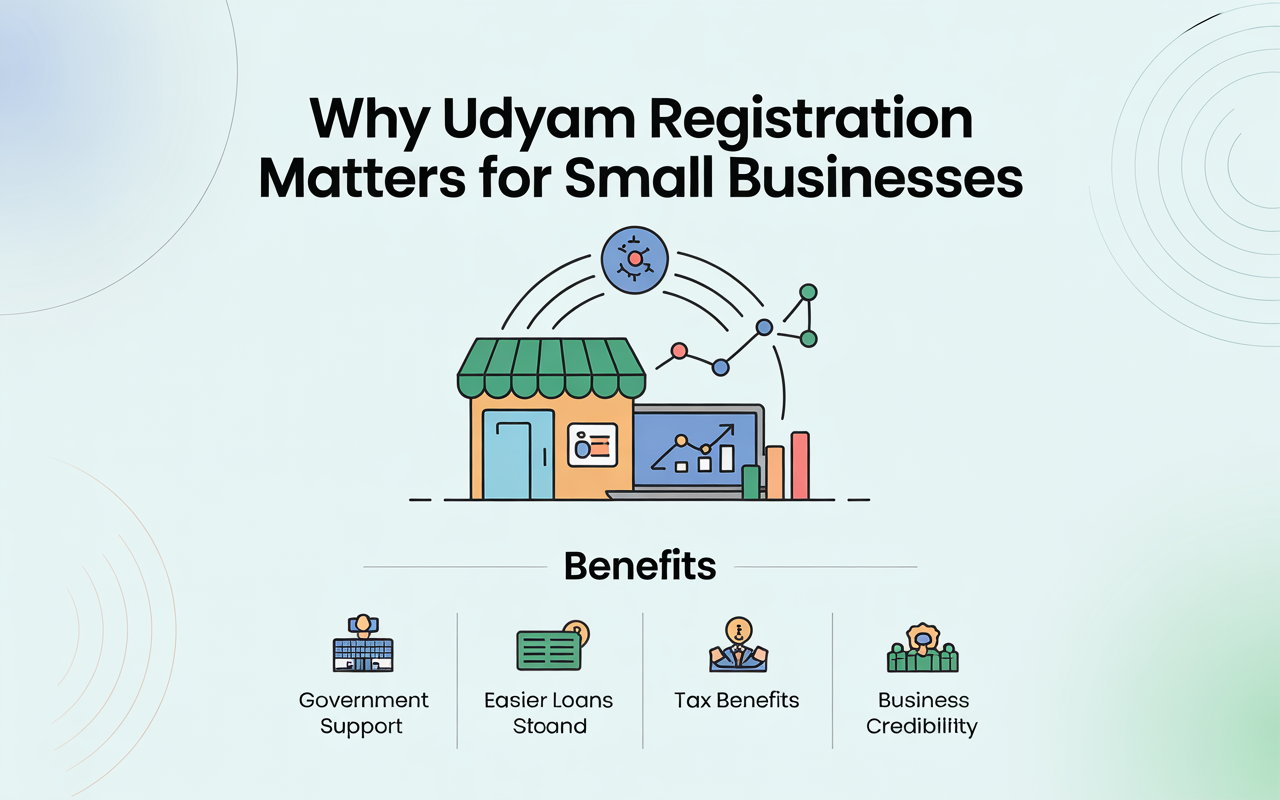
It gives you access to loans under easier terms, better banking facilities, government incentives, and market opportunities. It helps build trust with customers, suppliers, and partners. It makes accounting and compliance easier. Most importantly, it lays the groundwork for future growth, scaling, and stability.
If you run a small business — a shop, a workshop, a home-based unit, a small manufacturing unit or a small service business — getting Udyam registration can transform your future. It shifts you from being informal to being a recognized enterprise.
So if you haven’t done it yet, go to udyamregistrationform.com, check the registration process, and take the first step. Your small effort today can open up many doors for tomorrow.
Here’s to growth, stability, and success — for you and your business.